

Table of Contents
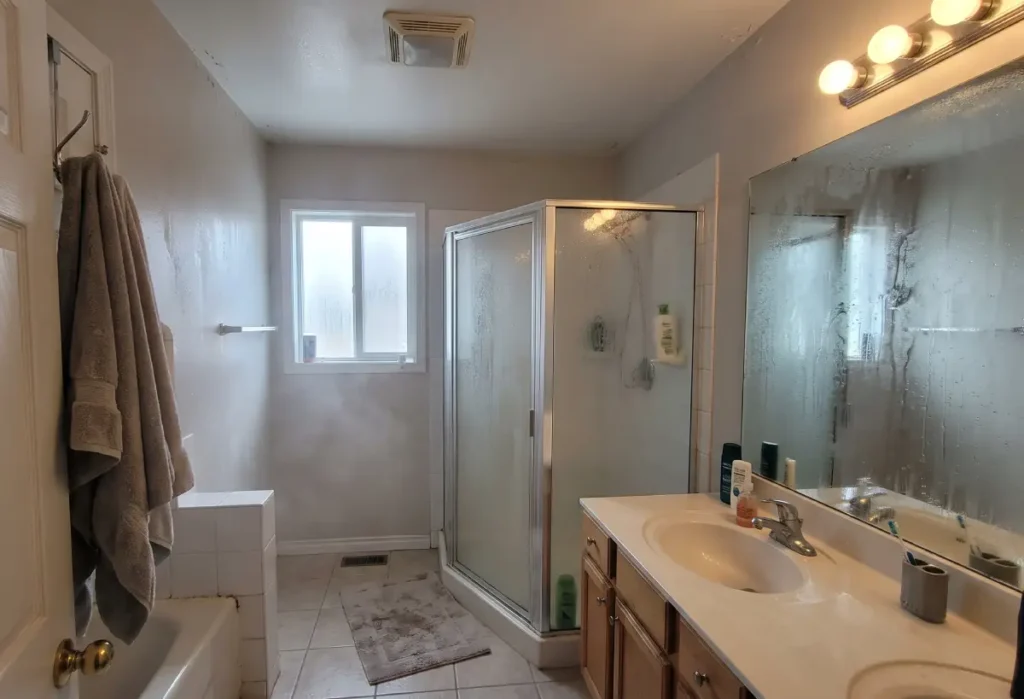
Your bathroom mirror remains fogged up even hours after taking your bath. There are water droplets formed on the bathroom walls or a roaring sound made by your bathroom fan, which does not seem to do any good at removing steam. Therefore, you are considering either replacing it or getting a new bathroom exhaust fan, and you are now wondering how much it will cost.
The bathroom exhaust fan installation cost in Delaware greatly varies depending on the labor required for the installation process. It would be less expensive to replace your current fan rather than install a whole new system that needs wiring, ductwork, and an exterior vent.
Let’s walk through what homeowners can expect to pay in 2026, what changes the estimate, and how to pick the right fan for the room.
How Much Does It Cost to Install a Bathroom Exhaust Fan in Delaware?
There’s no single price across Delaware. The final number depends on the fan you choose, what your current ventilation setup looks like, and how much labor the installation takes.
Here are some 2026 planning estimates to get you started:
Project type | Estimated cost |
National installation average | $396 |
Typical national project range | 120–900 |
Existing fan replacement | 150–550 |
New installation with ductwork | 250–950 |
Modeled installation estimate in Dover DE | 406–796 |
The Dover number comes from a modeled project, not a guaranteed price for every Delaware home. Treat these as a starting point. Your contract estimate may either be high or low based on the work.
In case you have a more extensive renovation project in mind, understanding how to save on bathroom remodel costs in Delaware can also help you prioritize improvements and manage your overall renovation budget.
Cost of Replacing an Existing Bathroom Exhaust Fan
Replacing a fan is usually easier on the wallet when the ceiling opening, wiring, and exhaust duct can all be reused.
The process involves the removal of the old fan, installation of the new one, reconnection of wiring and ducts, and checking the unit. If everything’s in good shape, it can be pretty straightforward.
The price can climb, though, when:
- The new fan has different dimensions.
- The existing duct is damaged or badly routed.
- The electrical connections need attention.
- The ceiling opening has to be adjusted.
Cost of Installing a New Bathroom Exhaust Fan
Putting in a fan where there wasn’t one before is a bigger job. There may be requirements for cutting out a hole in the ceiling or wall, setting up electrical wiring, installing the exhaust pipe, and creating a hole for the vent outside.
Location matters too. A bathroom next to an exterior wall usually has a simpler duct run than one in the middle of the house.
Cost of Complex Bathroom Exhaust Fan Installations
Some jobs need extra work that bumps up the estimate. Ductwork, roof access, new wiring circuits, and ceiling repair all contribute to the bottom line.
A roof installation will likely include flashing and sealing. And a completed ceiling will include trimming and painting. Make sure that the contractor bills these items individually so that you know where your money is going.
What Factors Affect Bathroom Exhaust Fan Installation Costs in Delaware?
Two homes with similar bathrooms can get very different quotes. The fan you pick, where it goes, and what’s already in place all affect the price.
The Type of Bathroom Exhaust Fan You Choose
Fans come with different features. A standard fan will be cheaper compared to a fan that comes with lighting, heating features, or automated controls of the humidity levels.
A bathroom fan with light installation can cost more because the unit has extra features and may need different electrical connections.
The popular models include basic exhaust fans, humidity sensors, inline fans, and fan-and-heater units.
When selecting your bathroom fan, you need to consider the following:
- Lighting: Useful if you would like both fan and light to be included in one system.
- Humidity sensors: Automatically turn on the fan when the level of moisture rises.
- Timers: Continue operating the fan even after you have left the bathroom.
- Heaters: Add warmth, but may need more electrical work.
Noise matters too. It’s measured in sones, and the Home Ventilating Institute considers fans rated at 1.0 sone or less quiet. An HVI-certified model lets you compare independently tested airflow performance.
Bathroom Size and Required Fan Capacity
Fan capacity is measured in CFM, or cubic feet per minute. That’s how much air the fan can move in one minute.
Getting the bathroom fan CFM right matters. An undersized fan will struggle with moisture, but a bigger fan isn’t automatically better for every room.
The Home Ventilating Institute offers these general sizing guidelines:
Bathroom size | General fan sizing guidance |
Under 50 sq. ft. | 50 CFM minimum |
50–100 sq. ft. | Approximately 1 CFM per sq. ft. |
Over 100 sq. ft. | Calculate according to individual fixtures |
Want to know the size of the exhaust fan for your bathroom? It all starts from calculating the floor area, then considering the bathroom features. According to HVI, 50 CFM is recommended per toilet, shower, or bathtub and 100 CFM for a jetted tub in a bigger bathroom.
Ductwork and Exterior Vent Installation
How the humid air gets outside makes a real difference to the estimate.
If you’re weighing bathroom fan venting through roof vs wall, think about where your bathroom sits:
- Wall venting: May be easier when the bathroom is located near an outside wall.
- Roof venting: May provide more access.
- Ductwork that already exists: Using existing ductwork can save labor and materials.
The shortest route with the least number of bends will make things easier for you. Your contractor should check the duct diameter and whether it needs insulation.
Electrical Work and Labor Costs
Electrical work can push the price up, especially if the fan is going somewhere new.
A simple replacement may reuse an existing connection. An installation might require more wiring, an additional switch, or even a circuit for a fan with heating capabilities.
For these upgrades, professional electrical services can help ensure the work meets safety requirements. Make sure the quote specifies whether the electrical materials, work, and cost of inspection will be included.
Ceiling Access, Roof Work, and Repair
If the fan is located above a finished ceiling, or the attic is difficult to access, the installation will take longer. This includes high roofs, structural problems, and previous water damage.
If the contractor has to cut and patch the ceiling, confirm whether drywall finishing and painting are part of the quote. If they aren’t, budget for those separately.
Is Your Bathroom Still Holding on to Moisture?
A new fan needs the right setup to work properly. Premier Home Solutions can help with bathroom fan and venting projects.
Call (302) 464-5665 to discuss what’s keeping your bathroom ventilation from doing its job.
Do Permits and Building Codes Affect Bathroom Fan Installation in Delaware?
They can. Ventilation requirements and building codes depend on where your property is and what work you’re doing.
Check with your county and municipality before you start. New Castle County, for example, generally requires permits for construction and alterations unless the work is specifically exempt. Electrical work may also need an inspection.
Delaware adopted the 2024 International Energy Conservation Code effective April 11, 2026. That doesn’t mean every simple fan swap needs a new permit, though. It depends on the project and the local authority having jurisdiction.
Why Must a Bathroom Exhaust Fan Vent Outdoors?
Venting into the attic is one of the most common installation mistakes.
When considering how to vent a bathroom fan, the general idea is to move the humid air outside using the proper termination from a wall or roof. This should not exhaust into the attic space, crawl space, or even a wall chase.
The ventilation duct must have sealed connections that comply with the manufacturer’s requirements. Effective outdoor venting will help avoid introducing moisture into the structure.
What Does a Bathroom Exhaust Fan Installation Cost Should Include?
Before signing off on the estimate, know what the contractor is really offering you. Quotes may be significantly different because one includes duct work, wiring, and repairs while the other is for just the fan.
A solid estimate should list:
- Fan model and purchase price.
- Airflow capacity and noise rating.
- Installation labor.
- Removal and disposal of the old unit.
- Ductwork and exterior vent materials.
- Electrical work and switches.
- Roof or wall modifications.
- Ceiling repairs and cleanup.
- Permit and inspection charges, where they apply.
- Product and workmanship warranties.
A bathroom exhaust fan size chart helps you check whether the quoted fan’s CFM fits your room. Also, don’t forget to consider the noise level, especially if the room is located near your bedroom.
Inquire about the cost of cleanup, trash removal, permit fees, and warranties. It will make comparing quotes of various contractors much simpler.
Replacement vs Repair of Your Bathroom Exhaust Fan?
However, not all noisy and low-performing fans require replacement. Some issues can be easily solved through proper cleaning or repairing.
Signs of Bathroom Exhaust Fan Failure
Notice if the fan operates with grinding or rattling noises, doesn’t pull air properly, and frequently stops working.
Prolonged condensation or constant dampness in the bathroom after showers can be a problem, too.
Cases When Bathroom Exhaust Fan Should Be Repaired
Cleansing the dirty grill and dust can assist. The professional can also examine if the cause lies in a loose connection or an electric problem.
If there is mold, broken drywall or water leakage, another method will be needed as installing a new fan will not fix existing problems.
Is It Better to Hire a Professional for Bathroom Exhaust Fan Installation?
It is better to hire a professional when you need to do some rewiring, roof drilling, and duct installation into the ceiling.
The contractor will be able to estimate the size of the room and select a suitable exhaust fan. Additionally, he will be able to plan the ducting and ensure that there is proper venting of the exhaust to the outdoors. The expert will also know what permit your property needs.
You may need an electrician and an HVAC or ventilation expert, depending on the work involved. Some remodeling contractors coordinate both.
A straightforward replacement might take a few hours. An installation involving wiring, ducting, and exterior ventilation will take longer. Homeowners considering home remodeling in Wilmington DE, can also coordinate bathroom ventilation with other planned renovation projects.
How Can You Make Your Bath Exhaust Fan Installation Cost Effective?
Some basic planning can do wonders for you. Begin by considering at least three itemized estimates rather than opting for the cheapest one overall.
Other tips for saving on costs:
- Find out if you can use your current wiring and ducting for installation.
- Choose fan size based on the actual requirements of your bathroom.
- Look at noise and feature ratings before buying.
- Coordinate the fan installation with other planned bathroom projects.
- Confirm permit, disposal, ceiling repair, and extra electrical charges before you approve anything.
A low starting price doesn’t always mean everything is included, so make sure you understand the full scope before comparing quotes.
If you’re planning a more extensive upgrade, knowing how to approach full bathroom remodeling can help you organize different improvements, set priorities, and keep your renovation budget under control.
Plan Your Bathroom Exhaust Fan Installation Budget
The final cost comes down to your fan, your ductwork, your electrical needs, and your bathroom layout. Comparing itemized estimates helps you understand the work and avoid surprise charges.
Premier Home Solutions handles bathroom renovations, including plumbing and electrical work for fans and venting systems. If you’re considering bathroom remodeling in Delaware, call (302) 464-5665 or visit their website to discuss your project and request an estimate.
FAQs
How Much Does It Cost to Install a Bathroom Exhaust Fan?
A typical national installation or replacement runs around $396 on average, with a broader range of 120–900. A modeled Dover, Delaware estimate falls between 406 and 796, depending on the work.
How Many CFM Do I Need for a 5×8 Bathroom?
There are 40 sq ft of area in a 5×8 bathroom. HVI recommends a minimum of 50 CFM for bathrooms up to 50 sq ft, which is why a 50 CFM fan would be a good start.
Can a Bathroom Fan Be Ventilated into the Attic?
No, the ventilation should be installed between the bathroom and the outside via a roof or wall vent; it should not be installed to the attic or crawlspace.
For How Long Does the Bathroom Fan Remain ON After Using the Bathroom?
According to HVI, the fan should be on for at least 20 minutes after using the bathroom. The fan can be turned off automatically using a timer.
Do I Need an Electrician to Replace a Bathroom Exhaust Fan?
Not all replacements require electrical work. But new wiring, circuit changes, or switch installations should be handled by a qualified electrician following Delaware requirements.